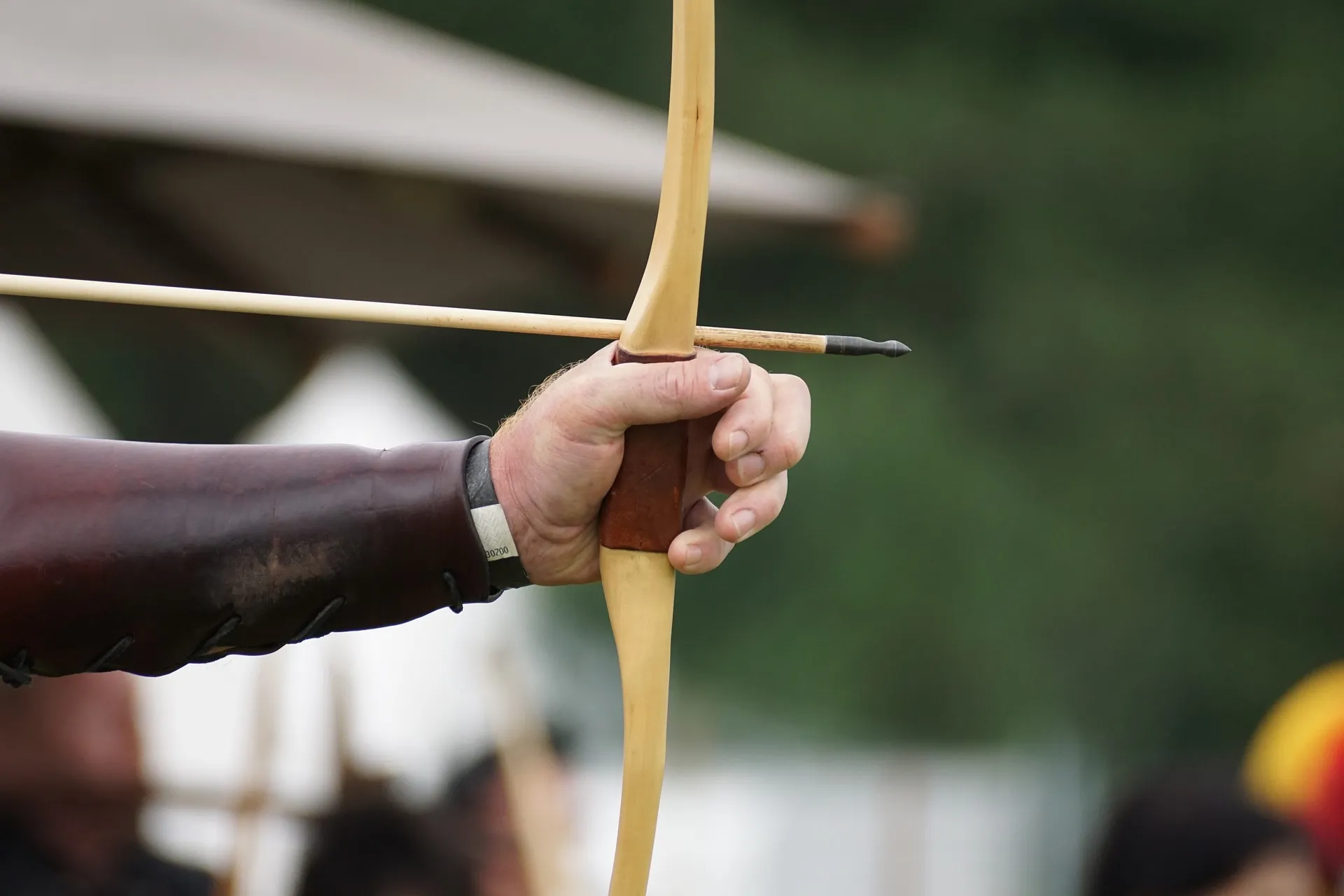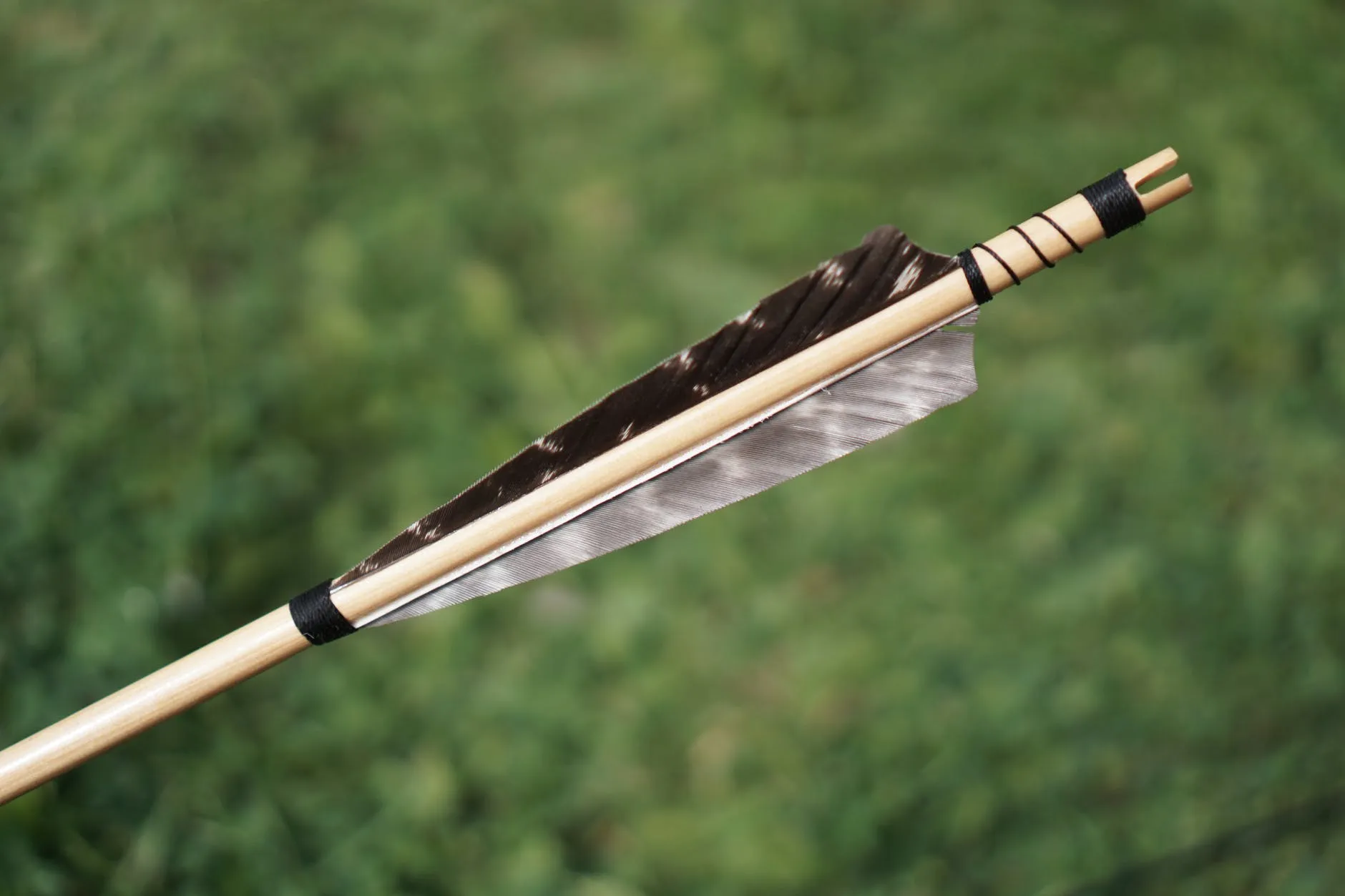
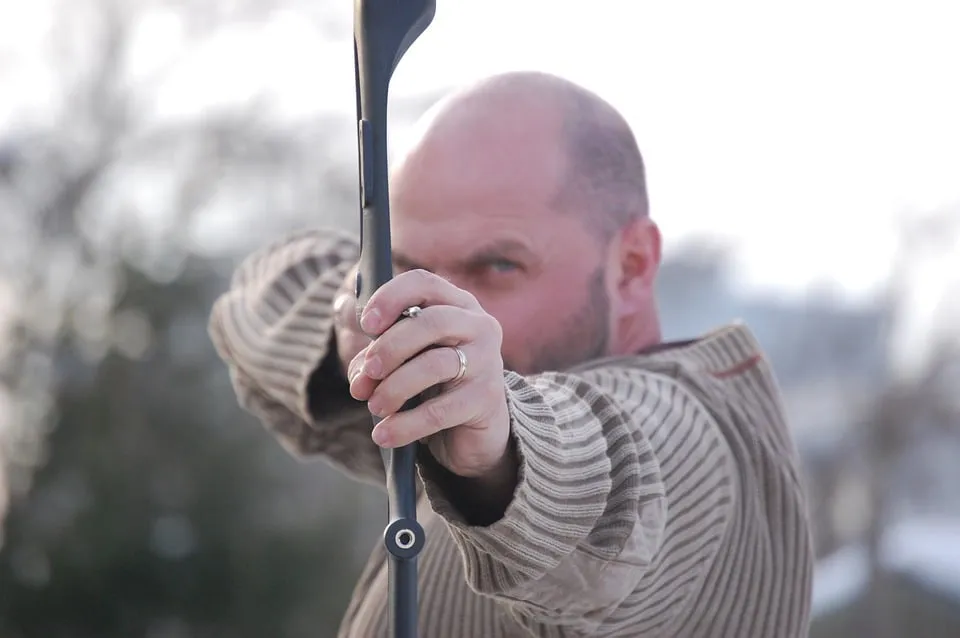
Maybe Green Arrow got you hooked. Or Hawkeye.
Or Katniss Everdeen. Whatever sparked your interest, you’re now wondering if you can actually make a living doing this.
The short answer is yes. Movies like The Hunger Games, The Hobbit, and the Avengers have pushed archery into the mainstream, and the industry has grown alongside the hype.
People all over the world are getting into archery for fun, for fitness, and as a way to earn money.
Here are 10 archery careers worth knowing about.
Step 1: Professional Archer
A small but growing number of people actually earn a living by shooting arrows in competitions and tournaments.
Archery wasn’t always a competitive sport, but media exposure has put it firmly on the professional map. Archers now compete internationally, representing countries, sponsors, and professional teams.
Stephan Hasan, a world-renowned archer, is a prime example of a professional archer athlete.
If you love archery and you’re competitive by nature, going pro might be the dream career.
But it’s not easy. Not even close.
It takes serious dedication, thousands of hours of practice, patience, and the drive to keep pushing when progress stalls.
The first step to becoming a professional archer is identifying why you want to learn and what kind of archery sport you’re interested in pursuing.
There’s a good selection of ”Gaming Modes” in your classical archery sport, including field archery, target archery, disabled archery, etc.
After that, you need to practice, practice, and practice as much as you can.
Once you believe you’re good enough to compete, start participating in competitions in domestic events near your tri-state area.
As you improve your skill and gain exposure, you can try competing on a national and ultimately international level with other professional archers.
Motivation, dedication, and practice all matter. But passion is what keeps you going when everything else gets hard.
If you’re genuinely passionate about archery, you’ll find a way to keep improving and eventually break through.
Step 2: Archery Engineer
Somebody has to design and build all the equipment. That’s where archery engineers come in.
This isn’t a casual role. You need a strong skill set and solid education to get into it.
Most archery engineers hold a bachelor’s degree in Mechanical Engineering, because understanding the mechanics behind bow design is non-negotiable.
Apart from this, you also need to have a solid grasp of 3D modeling software to design archery equipment prototypes before manufacturing.
You need to understand the technical aspects of bow design and archery engineering, such as calculating velocity before launch, the bow draw curve, arrow trajectories, Archery Shot distributions, etc.
The archery engineers are responsible for devising creative solutions for archery equipment problems and coming up with workable and practical designs.
Apart from this, he/she is also responsible for managing the material selection, cost distribution, manufacturing process, and understanding product specification.
The archery engineer needs to demonstrate leadership quality and strong communication to convey their understanding of heavy mechanics to common working labor.
Typically, this career path also requires a lot of research and observation regarding the latest archery trends, practices, and problems.
Step 3: Archery Technician
Next on our list of the top 10 best archery jobs in 2026 is the archery technician.
You’re probably asking what does an archery technician does?
Well, to give you a short answer, an archery technician is an expert in maintaining and repairing archery equipment according to individual requirements.
To become an archery technician, you need to acquire the appropriate education, undergo training, and get certified by completing your certification exams.
As archery equipment evolves along with the technology and trends, archery technicians require continuing education to maintain their field expertise.
To be eligible for a Certified Archery Technician career, you need a minimum education of High School Diploma or General Education Degree (GDG).
Apart from this, you need to gain appropriate experience, training skills, and techniques to successfully practice.
Typically archery technicians are entitled to the following responsibilities:
An Archery Technician can look for employment opportunities in areas where archery is practiced as a sport or a recreational activity.
This can include training centers, archery schools, and shooting ranges.
An Archery Technician is a perfect career path for individuals with a keen and detail-oriented key along with a passion for understanding the dynamics behind the art of archery.
-
Set up and Work on different types of Bows
-
Repair and Maintain Archery Bows and equipment
-
Fixing and Restringing Bows
-
Promote, Advertise, and Sample Products for Sale
-
Attend career-related meetings and conferences.
Step 4: Archery Coach/Instructor
Coaches and instructors are the backbone of the archery world. Without them, the sport doesn’t grow.
To become one, you’ll need to enroll in a certified archery training program. Our archery coaching guide walks through every certification level in detail.
The program gives you expert-level knowledge so you can actually teach others the right way.
You also need to pass a certification exam to become a certified Archery Instructor.
These instructors are skilled in the art of archery and sports safety, making them eligible to teach other candidates.
There are different levels of archery coaches in the industry, from Level 1 Coach to Level 5.
These levels or tiers are based on the level of training, experience in the field, and education.
For individuals passionate about archery, an archery coach or an instructor can be a rather rewarding career path.
These levels are also reserved for the level of students that the coach needs to instruct.
For example, for adolescent or child training, a level 1 coach will suffice. However, you need to be a level 5 archery instructor to work with professional athletes.
Apart from working in a training academy, you can also practice as a private coach to professional athletes or archery players.
This allows you to train a specific individual with all your focus and attention and yield fruitful results.
It allows you to pass your learning onto others and makes you feel honored when the students perform well.
Archery coaches and instructors are the principal architects behind the success of the growing archery industry.
Step 5: Archery Book, Magazine, or Blog Author
What if you love writing and you love archery? Put the two together.
There’s a real audience for archery content. Fans want event updates, gear reviews, how-to guides, and industry news.
Blogs and archery magazines are always looking for people who can actually write about the sport with authority.
This allows you to maintain a close relationship with your passion (aka archery) and express your opinions, thoughts, and knowledge with the rest of the public.
This also acts as a marketing strategy to promote the game in its true sense and develop an identity among the archery community.
Lastly, it allows new archers to feature their work in these blogs and magazines for gaining exposure in the industry.
However, if you want to create something more personal, you can opt for an author on archery books.
In this way, you can jot down your passion onto a piece of paper while enjoying the process and allowing fellow archery fans to read and comment.
You don’t need to have specific training or a certification exam to become an archery writer.
You only need a writing talent and a growing passion for learning about archery in the modern world.
Step 6: Hunting Guidesman
Archery isn’t merely limited to the classical bow and arrow version involving target shooting in front of an audience.
Some people still like to maintain the original spirit of archery through the practice of hunting.
This is why hunting lounges exist to give such individuals their respective spaces and allow them to hunt within safety measures.
The primary role of the hunting guidesman is to provide shelter, food, gear, and guide services to individuals in unfamiliar territories.
A hunting guidesman, as the name suggests, acts as a guide instructing and tutoring the interested individuals on how to use a bow and arrow to hunt down animals and birds.
The guide also allows the individuals to practice stripping the animal skin and cooking it on wildfire, similar to ancient practices.
A hunting guidesman acts as a storyteller and reminds the people about the ancient practices of human civilizations.
For an individual to be a successful hunting guidesman, he/she needs to have sufficient knowledge and education about the wildlife - not just one or two species.
It’s best to have a college-level education or a degree to understand wildlife and their natural habitat. However, experience speaks more in this respect.
Step 7: Owner of Archery Shooting Range
All these archery careers need one thing: a place to shoot. Without ranges, the sport doesn’t function.
If you’ve got the capital and business sense, opening a range is a legitimate career path in archery.
A range gives archers a place to practice, compete, and connect. You can also pull in revenue through equipment rentals, which bring in newcomers who aren’t ready to buy their own gear yet.
This gives a sense of community and belonging to the archers and allows people with similar interests to interact and communicate.
Typically, these ranges also offer restaurants, guest staying, training coaches, and other recreational activities.
To become an archery shooting range owner, you need to invest a lot of money in the beginning to construct the arena itself.
Depending on which class of people you’re targeting, you’ll need to shift your range quality standards accordingly.
Lastly, you can also monetize your range by offering monthly, or annual membership offers and per day recreational packages.
These ranges also host archery competition matches and events to increase their monetary benefits.
Step 8: Archery Videographer/Photographer
Take your love of camera and archery, combine them into one, and what do you get?
An Archery Videographer/Photographer.
Thousands of archery events are organized worldwide, inviting millions of archers and their respective cheering audiences.
With such a mass event taking place, you need a professional photographer or a videographer to document the entire happenings.
This will allow the archery fans sitting at homes or away from the event arena to enjoy the show as they were present within the audience.
An archer videographer or a photographer can capture the archers’ initial tense emotions with a keen eye and an equal liking for the sport.
It’s important to hire a photographer who understands the sport’s pain points as much as those who are participating.
He/She needs to capture the moments in their utmost glory and passion.
While the archery or videographer isn’t directly participating in the sport itself, his artistic passion can he
This helps the audience to appreciate the beauty and passion involved in the sport.
To become an archery videographer or a photographer, you need to educate yourself on videography and photography in general as a skill.
Other than this, you need to partake in your learning time towards acquiring new information about the latest news and event updates regarding archery.
You can start by volunteering in a few events to start your career, increase your reach in the archery community, and gain exposure.
Once people know what you’re doing, you can officially introduce yourself as a professional archery videographer or photographer.
Step 9: Judge in Archery Competitions
Hundreds of archery competitions and events are organized on a domestic, national, and international level, inviting thousands of archers and players to compete with each other for money or prize.
Different sponsors and industry capitals host these contests to grow archery as a professional sport and market their business.
These players give a registration fee to enter the event and compete in different matches and rounds.
The organizers arrange a team of jurors or judges to judge the players on their archery skills, such as the correct bow holding technique, target aiming, etc.
These judges are typically previous archery players that have either retired or don’t want to play in the field anymore.
Individuals who have a passion for archery can select this career path after significant experience, training, and education in the sport.
These individuals are given high protocols and respect based on their authority and level in the industry.
They have established their identity as a profound archery professional, thus have the required skill set to act as judges in these competitions and contests.
Step 10: Off-Season Archer
Not everyone can quit their day job for archery. If that’s you, being an off-season archer lets you stay in the game.
You keep your full-time career and shoot competitively when the season comes around.
It’s the best of both worlds. You practice your skills, stay connected to the archery community, and don’t have to stress about paying bills with tournament winnings.
An off-season archer participates in archery competitions and events during the high seasons.
They don’t necessarily pursue this as a full-time career. However, they enjoy the sport’s adrenaline rush through their off-season practice.
You don’t need prior training, a certificate, or even an archery related education background to pursue this as a side hustle.
You only need your archery equipment, passion, and yourself to begin.
Typically, off-season archers don’t play to make a living. They do it for their love of the game.
This doesn’t mean they don’t enjoy good prize money when they win.
In fact, this might work as a secondary motive or an incentive to keep these players coming back.
Frequently Asked Questions
You can, though most people stack a few archery-related income streams together. Pros earn from tournaments and sponsorships. Coaches, technicians, range owners, and content creators build steady income around the sport in different ways.
You'll need to go through a certified instructor program and pass the certification exam. USA Archery runs coaching levels from Level 1 to Level 5, with each step up requiring more training, field experience, and education.
It can be if you manage it well. You'll pull in money from lane rentals, gear rentals, coaching, memberships, and hosting competitions. The upfront cost to build a facility is hefty, but demand for the sport keeps growing year over year.
Final Thoughts
There are way more archery careers out there than people think. And you don't have to be an Olympic-level shooter to land one. Whether you're better at engineering, teaching, writing, or running a business, there's a path that fits.
Figure out where your skills and your passion overlap, and you can turn archery from a hobby into a real career.